
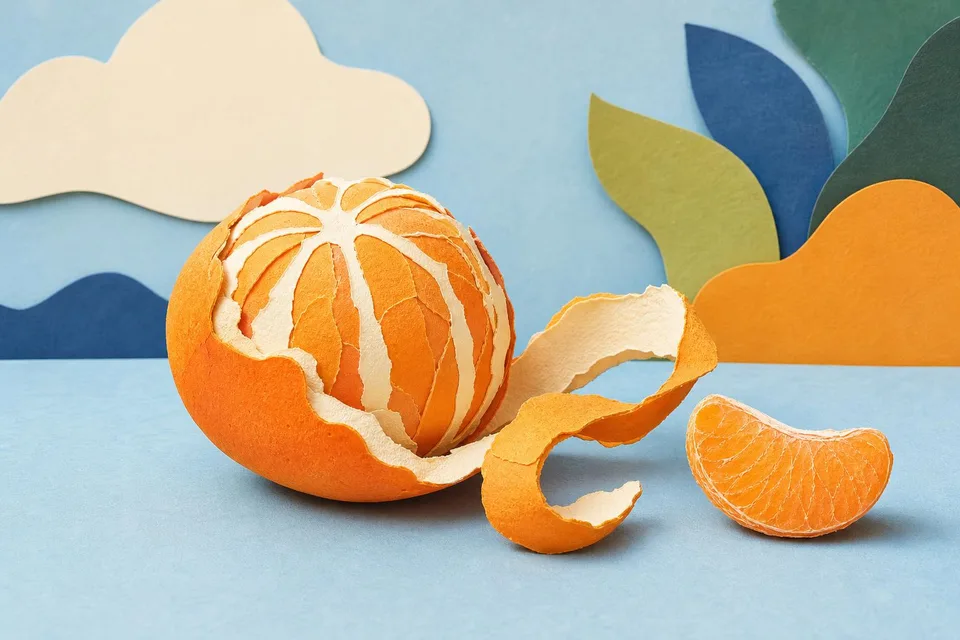
Food gives children plenty to notice before the first bite. Butter slips into the bumps of toast, an apple makes a splendid crunch, and an orange leaves its bright smell on a thumb. These children’s poems about food begin with those small discoveries and give them somewhere to go.
This collection offers five original poems for reading aloud at home or sharing in a classroom. There are two sonnets with steady rhythms, a picnic story, a short comic poem, and a quieter piece about sharing fruit. Some invite a lively voice; others leave room for a little listening.
I like food poems that let children enjoy their own observations. A fork can become a gate without anyone needing to explain the joke. A piece of toast can hold an entire adventure while still being breakfast. Familiar things give a young reader something solid from which to imagine.
You might choose the pea poem for a quick reading or give the picnic story several voices. The longer poems suit children who enjoy following a thought through a few turns. There is no need to introduce every form before reading; the words can make their own first impression.
These poems are not lessons about finishing a plate or liking every food. They make space for sound, texture, make believe, and company. My hope is that a child finishes one with something to say, even if it is simply that their toast looks quite different from mine.
Five Children’s Poems About Food to Read Aloud
The World on My Toast
The crumb becoming a boat is the detail I enjoy most here, especially when the speaker promptly eats it. That little interruption keeps the adventure firmly at the breakfast table. I like the ending for a child who sees something wonderful where everyone else sees an ordinary slice.
I watch the butter melt across my toast
And turn the bumpy top to shining gold.
The crust becomes a long and rocky coast
A shore around the little pools I hold.I tip the plate to make a river run
But stop before it spills across the blue.
My breakfast has a lake that holds the sun;
I turn the plate to change my point of view.A crumb becomes a boat beside the shore;
I nudge it with my spoon and take a bite.
The boat is gone. I make a dozen more
Then eat the little fleet with great delight.My toast is just a slice of bread to you;
To me, it holds a world that I can chew.
The Picnic Moved Indoors
A raindrop landing on a pear makes this change of plans feel immediate to me. I am fond of the blanket finding a second place beside the kitchen chair, because the children keep the part of the picnic they can still enjoy. This is a good story to read with a little pause when the weather arrives.
We packed the bread and cheese at noon
And pears for us to share.
We spread our blanket on the grass
With picnic plates to spare.The first drop landed on my pear;
The next fell on my knee.
We gathered up the lunch and ran
As fast as fast could be.We laid our blanket on the floor
Beside the kitchen chair.
The rain could tap the windowpane;
Our lunch was dry in there.I took a bite of bread and cheese
And watched the cloudy sky.
Our picnic had a roof at last;
The pears were safe and dry.
The Pea at the Gate
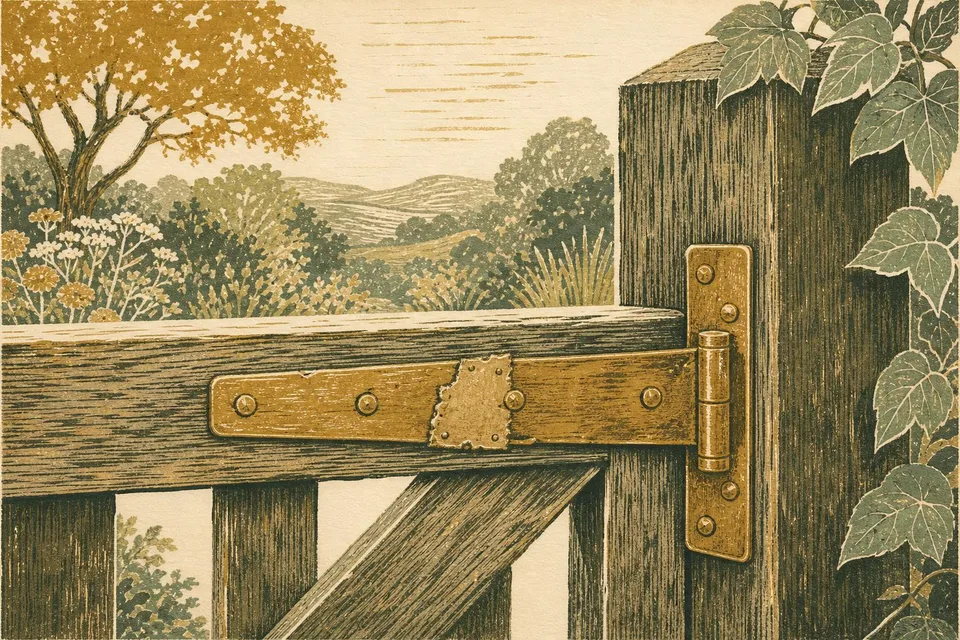
I smile at the fork becoming a gate and the cheese refusing to hurry. The joke gives three ordinary things on a plate quite different jobs. For a short reading, I would let the pea sound terribly concerned and give the cheese a very comfortable voice.
A pea tried to roll off my plate
But found that my fork was a gate.
It called to the cheese
Oh, help me out, please!
The cheese said, You'll just have to wait.
The Apple Crunching Contest
The small bow to the Crunching Queen gives this friendship a cheerful bit of ceremony. What stays with me, though, is the quieter turn toward the ants and the breeze. I like a poem that lets children be noisy and then discover something worth listening to.
I lift my apple, ready for a bite;
Its polished coat is red with streaks of green.
A brighter bit of lunch I've never seen;
I rub it on my sleeve to make it bright.We crunch as loudly as we can. We might
Be squirrels in a tree, still quite unseen.
My friend declares that she is Crunching Queen;
I bow to her and laugh with pure delight.But lunch is not a contest we must win;
We set our apples down beside the bread
And listen to the breeze among the trees.A line of ants goes marching past my shin;
I brush a crumb away and lift my head.
Our noisy lunch grows quiet by degrees.
One Piece for You
The orange piece waiting beside the cup feels like a small, clear invitation. I value that the speaker shares without making a speech about being generous. The smell remaining in the empty peel also gives a child something to notice after the fruit itself is gone.
I press my thumb beneath the orange peel.
The little pieces curl beside my plate.
A bright and tangy smell comes through the room.
I pull the moon shaped pieces from their ring.One waits for you. I set it by your cup.
The juice has left a sparkle on my thumb.
You take your piece and hold it to the light.
The empty peel still holds the orange smell.
Something to Notice at the Table
What I enjoy about these poems is how differently they use a familiar meal. Toast becomes a place to explore, a picnic survives the rain, and an orange offers a simple way to include someone. Food remains something we can see and smell, even when the imagination takes it elsewhere.
For a quick reading, begin with the pea and its unhelpful neighbor. If you have a few more minutes, follow the picnic from the grass to the kitchen floor. The apple poem makes a useful contrast: start with the lively crunches, then let the last six lines grow quieter.
A child may want to draw the scene afterward or point out a detail the poem missed. I would welcome either response. Perhaps their apple has a brown freckle, their picnic includes rice, or their toast has no butter at all. Their own meal does not need to match the page.
For a little writing activity, ask what one food looks like, sounds like, and smells like. Let the child choose just one answer to begin a line. A good observation does not have to rhyme, and a funny idea does not have to become a finished poem before it can be enjoyed.
There is also nothing wrong with reading one piece and going on with lunch. Not every poem needs a project attached to it. Sometimes the lasting part is a shared laugh over a fork, or the quiet pleasure of someone setting a piece of orange beside your cup.
For another collection, visit Poems About Colour: A Bright Way to See an Ordinary Day or Poems About Soup: Original Verses for Comfort, Kitchens, and Care.
Send a little poetry to someone you love.